
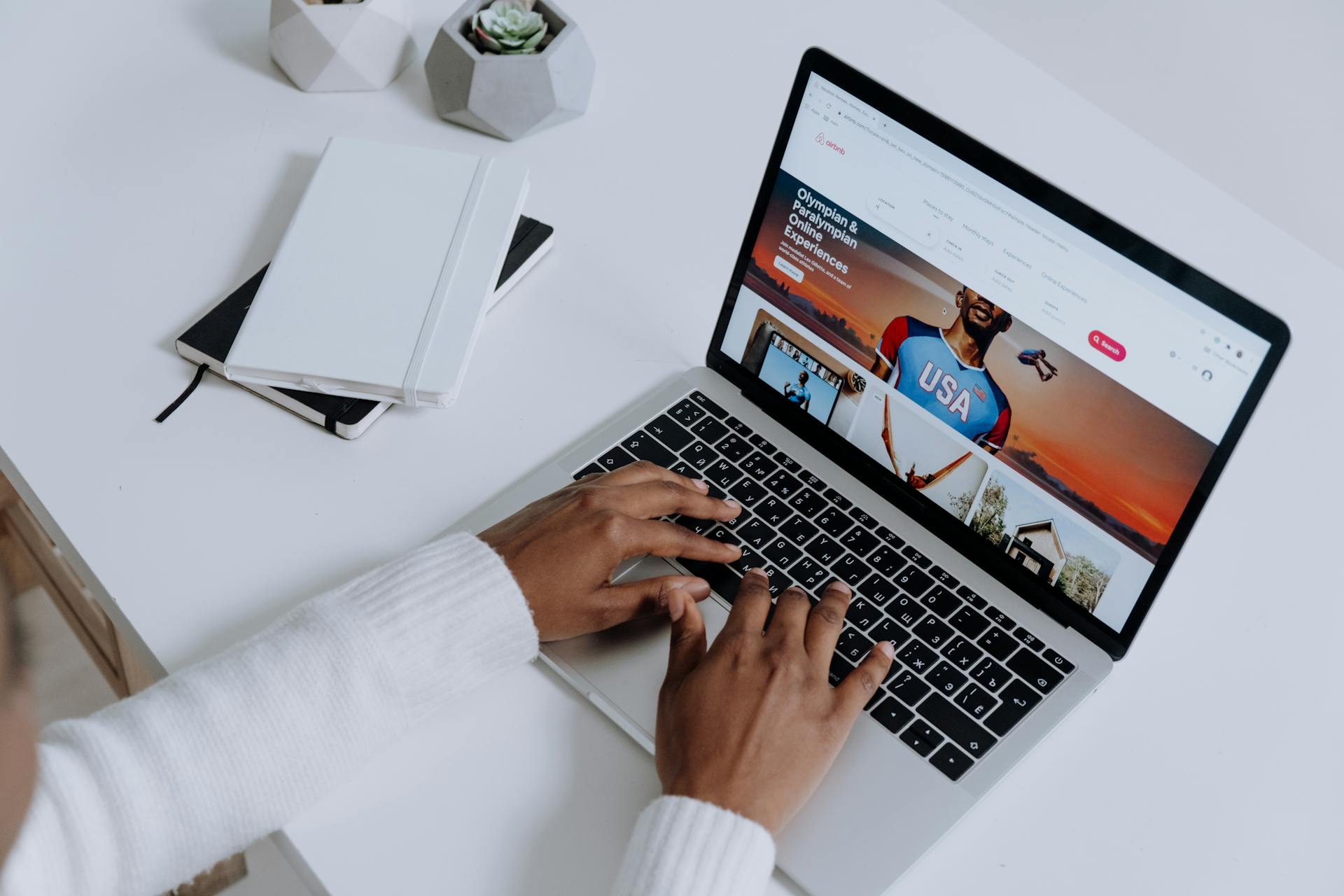
One second, people land on your homepage, the next second, they’re backing out fast. People judge websites in milliseconds. Wild, right? They do not sit there with clipboards scoring your typography like art critics. Their brains react emotionally first, which is why many businesses turn to a marketing agency Sunshine Coast brands trust to create websites that feel professional and credible from the first glance. If your website feels cluttered, outdated, or chaotic, visitors assume your service might be the same. That reaction happens before they even read your headline.
The Colors Might Be Saying the Wrong Thing
 Color psychology is sneaky stuff. Dark gray can look premium on one site and depressing on another. Bright red can create urgency, but too much of it makes people feel like they are trapped in a clearance sale from 2007. Your brain connects colors with emotion before logic joins the party. A fitness coach using pale corporate blues may accidentally look boring. A law firm with neon orange buttons can feel unserious. Small choices shift how people view your brand.
The Clutter Makes Visitors Feel Nervous
Some websites throw everything at the screen like a garage sale after three cups of coffee. Pop-ups appear instantly. Videos auto-play. Tiny banners fight for attention in every corner. Customers freeze because their brains cannot decide where to focus. Good design guides the eye naturally. White space matters more than people think. A clean layout helps visitors feel calm and confident. It works like a tidy kitchen in a restaurant. If the front looks organized, people assume the back is too.
The Slow Loading Pages Kill Trust Fast
Nobody enjoys waiting for a website that loads slower than airport luggage. Visitors often interpret sluggish performance as a warning sign. They wonder if the checkout is secure or if the business still updates its systems. That hesitation hurts conversions hard. Professional developers often compress images, use caching systems, and reduce unnecessary scripts to improve speed. Those details sound nerdy, but they shape customer confidence. Fast websites feel modern. Slow ones feel abandoned, like a shopping mall with one lonely pretzel stand left alive.
The Fonts and Images Create Instant Assumptions
Fonts carry personality. Thin, elegant lettering may suit luxury skincare, but it looks ridiculous on a plumbing service. Tiny text also frustrates mobile users. If people need to squint like pirates reading a treasure map, they are gone. Photos matter too. Cheap stock images damage credibility faster than most businesses realize. Visitors can smell fake smiles from miles away. Real photos of your staff, products, or workspace feel warmer and more believable. Authentic visuals quietly build comfort

Professional Help Can Save You From Expensive Mistakes
A lot of business owners build websites alone at 1 a.m. after watching two tutorial videos and surviving on iced coffee. Respect the hustle, but strategy matters. Professional designers understand user behavior, page flow, mobile optimization, and conversion psychology. They build sites that guide visitors instead of confusing them. The best websites balance beauty with function. They know where buttons should sit, how headlines should flow, and why certain layouts keep people engaged longer. Getting expert help can stop costly redesigns later. It also saves you from creating a homepage that accidentally feels like a suspicious online casino from 2004.