
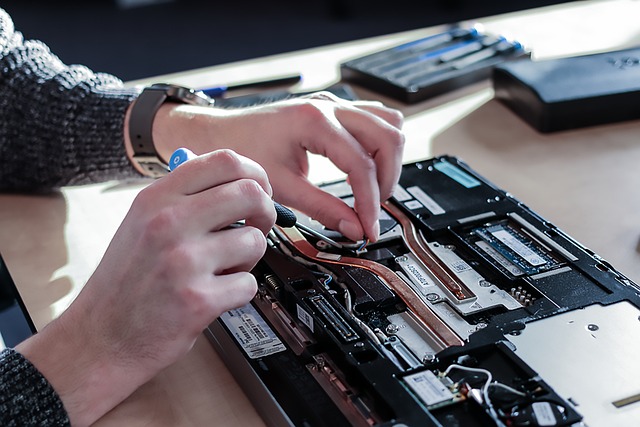
Is your computer acting up, giving you a headache with hardware issues? Fret not. This blog post has the ultimate guide to help you troubleshoot and solve those pesky problems like a pro. From checking connections to running diagnostic tools, we have all the tips and tricks you need to get your computer back in tip-top shape. However, if you want experts to handle your computer problems, we recommend contacting managed network services provider nyc for assistance. So grab your toolkit (or just a cup of coffee), and let’s solve those hardware hiccups together.
Check Connections
 One of the first things to do when facing computer hardware issues is to check all the connections. Start by ensuring that all cables are securely plugged into their respective ports. Sometimes, a loose connection can cause malfunctions or poor performance. Inspect the power cable, monitor cable, keyboard, mouse, and other peripherals connected to your computer. Make sure they are not damaged or frayed. It’s also essential to check the internal connections, such as RAM sticks and hard drive cables inside the computer casing.
Restart Your Computer
We’ve all been there – your computer is acting up, freezing, or running slow. It’s frustrating when technology doesn’t cooperate. But before you call for tech support, try the simplest trick in the book: restart your computer. Restarting can work wonders by clearing out temporary files and resetting system processes. It’s like giving your computer a fresh start to shake off any glitches that may be causing issues. So, next time your screen is frozen or programs aren’t responding, don’t panic. Simply click on that restart button and give it a moment to power down and boot back up again.
Run Diagnostic Tools
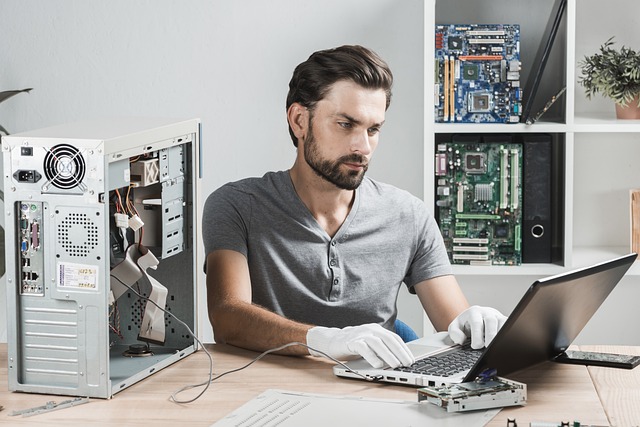
Is your computer acting up, and you can’t quite pinpoint the issue? Running diagnostic tools can help you troubleshoot hardware problems efficiently. These tools scan your system, identify issues, and provide detailed reports on what needs fixing. Diagnostic tools offer a comprehensive overview of your computer’s performance, from checking hard drive health to monitoring CPU temperature. They can detect faulty hardware components or software conflicts that may be causing issues. Using these specialized programs saves time by quickly diagnosing the root cause of any hardware problems. Whether it’s a memory issue or a failing hard drive, running diagnostic tools is like giving your computer a thorough check-up to ensure everything runs smoothly.
Test Components
 Testing components is crucial when troubleshooting computer hardware issues. Start by checking the RAM modules – they can often be a source of problems. Use diagnostic software to test the integrity of your hard drive and ensure it’s functioning properly. Another critical component to test is the power supply unit (PSU). A failing PSU can cause various issues like random shutdowns or system instability.
Ensure all cables are securely connected and check for any signs of damage. Remember the CPU and GPU. Overheating can lead to performance issues, so monitor their temperatures while running intensive tasks. Remember to always handle computer hardware with care and caution to avoid causing further damage. If you are unsure how to proceed or if the issue persists despite your best efforts, feel free to seek professional help from a qualified technician. By staying proactive in maintaining your computer’s hardware health and being prepared to troubleshoot when needed, you can ensure smooth performance and functionality for your device. Happy computing.…
 Many times, the same product can have different reviews from different sources. It is because everyone has a different opinion, and what might be suitable for one person might not be good for another. Try to read reviews from reputable websites and people who have first-hand experience with the product. You’ll get a better idea of the product’s worth from reading different reviews.
 When reading tech reviews, it’s essential to be skeptical of overly positive or negative reviews. Some people might be biased for one reason or another and not accurately represent the product. Remember that everyone has a different opinion, so try not to take anyone’s review too seriously. Remember that all opinions are subjective, so don’t read into overly positive or negative tech reviews too much. I hope this article is insightful.…
 Everyone has their own needs when using the best file hosting service. So, the first step to selecting the best service is to evaluate what you need. What are your must-haves? Do you need a lot of storage space, or are you looking for something easy to use? Once you know what you’re looking for, it’ll be easier to find a file hosting service that meets your needs. If you’re looking for a free service, look at Google Drive or DropBox. These two services offer a lot of storage space and are very user-friendly. However, they’re not perfect and have a lot of limitations.